Projects I'm proud of
Volkswagen MAN Genuine Parts & Accessories
How do you design a parts shop for workshop mechanics who can't afford downtime? I built MAN's first e-commerce platform from zero — shipped across 4 European markets.
B2B Digital Platform
End-to-end user journey
MAN E-commerce Customer Support — Conversational AI
Conversational AI support experience for MAN's e-commerce customers, cutting resolution time without losing the human touch.
Conversational AI
Customer Support
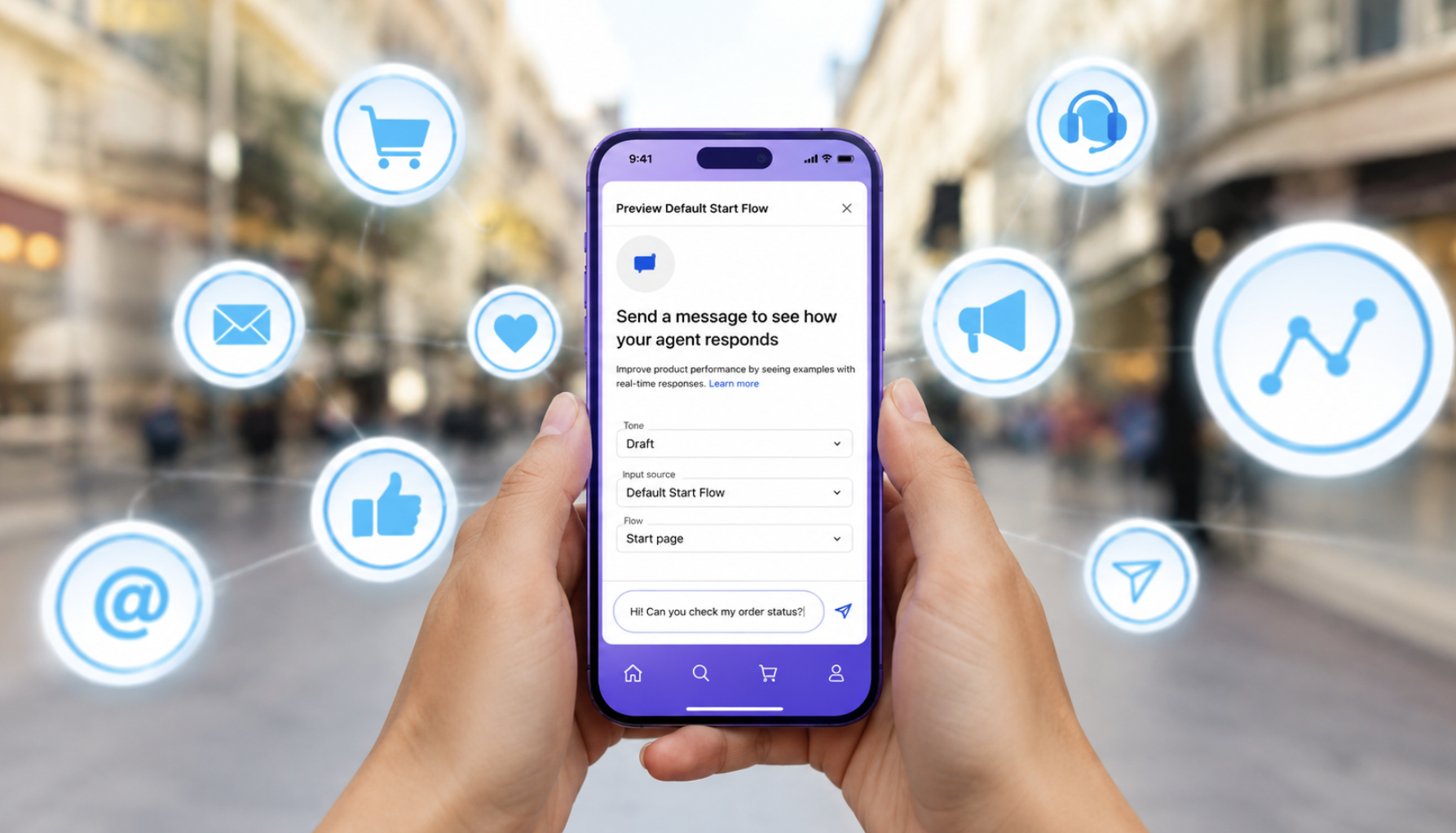
American Airlines — Passenger Experience
During travel disruptions, passengers often abandon digital tools due to low trust. This project explores how GenAI can rebuild trust, reduce friction, and improve recovery experiences.
GenAI
Agentic AI
New
ADAC Fahrzeugwelt
Redesigning Germany's largest automotive marketplace — making it easier for millions of drivers to find, compare and buy their next vehicle.
Automotive UX
Vehicle marketplace platform
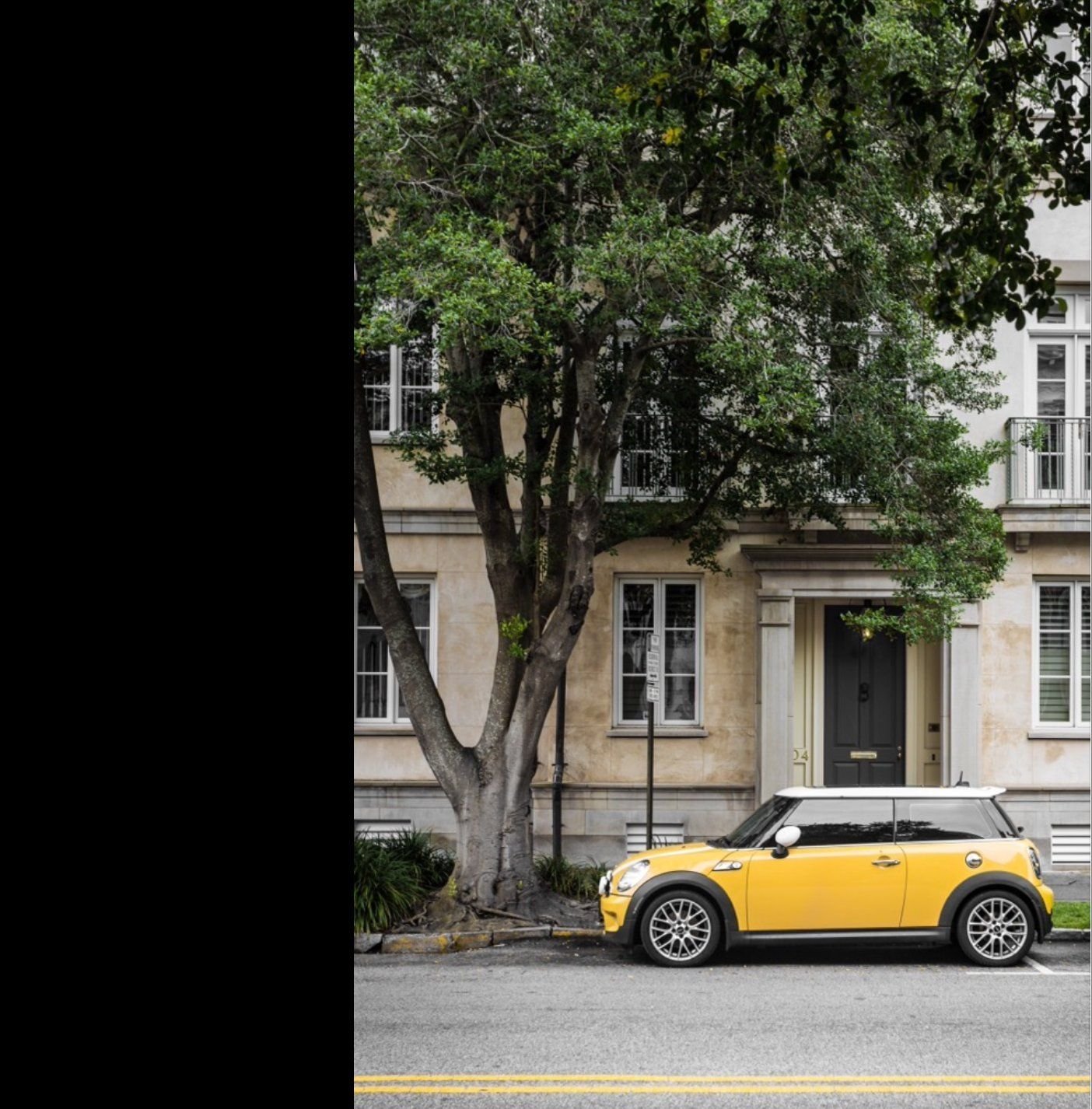
Wanderlust — Silversea Cruises
What does it feel like to explore Antarctica? I designed an emotion-led experience for ultra-luxury cruise travellers — where every interaction had to feel as rare as the destination.
UX Research & Strategy
Luxury Travel
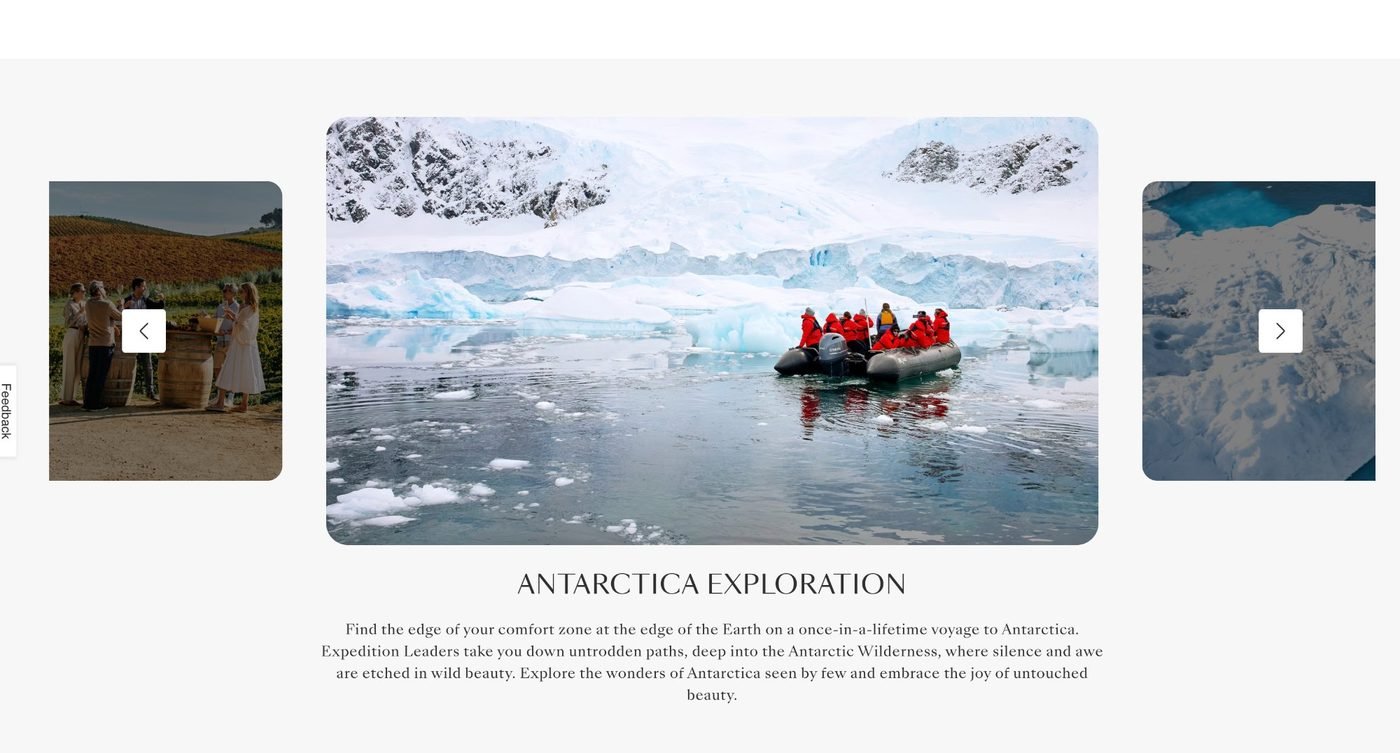
Design Metrics for UX Benchmark
How do you know if your design is actually better than the competition? I built a benchmarking framework that turns qualitative UX into measurable, comparable metrics.
User Research
UX Benchmark Framework
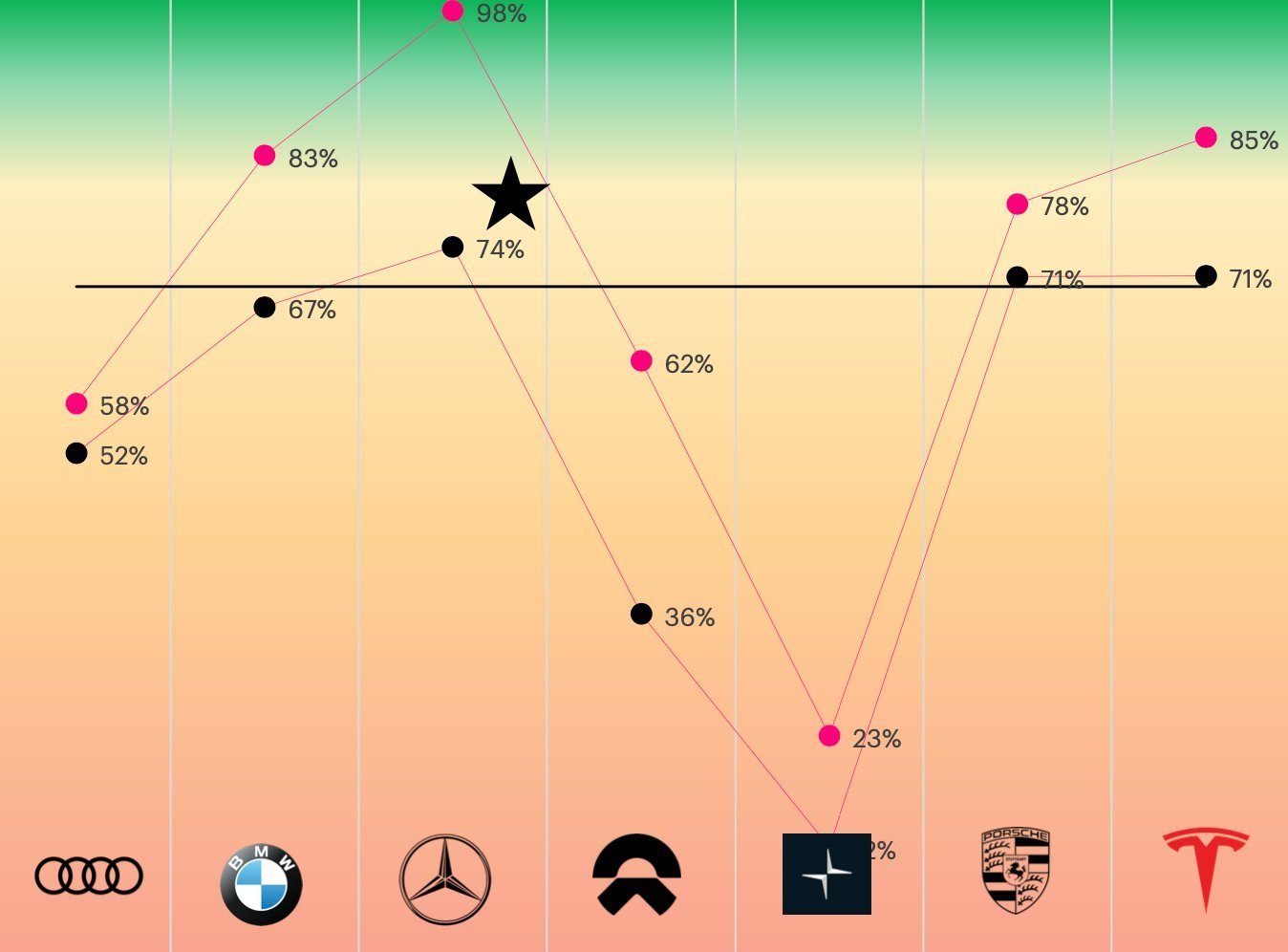
Commerzbank — Daily Banking
Making everyday banking clearer through structured financial data, intuitive account overviews, and consistent accessibility patterns across desktop, mobile, and banking terminals.
Financial Services UX
Information Architecture
Accessibility

Linda — Water Assistant (Politecnico di Milano)
A conversational AI assistant that helps people understand and reduce their water consumption — designed at Politecnico di Milano with behaviour change at the core.
Water AI Assistant
Politecnico di Milano
Coming soon